Common Mistakes in Outdoor Storage for Saudi Homes
Outdoor storage mistakes KSA are more than just inconveniences—they can cost you time, money, and your tools’ lifespan. In Saudi Arabia’s intense summers, where temperatures can reach 50°C and sandstorms are frequent, poor storage choices lead to rust, heat damage, and dust infiltration. Whether you're in Riyadh, Jeddah, Dammam or Khobar, Lawazim offers weather-resistant storage solutions made for our climate.
1. Neglecting Dust Sealing
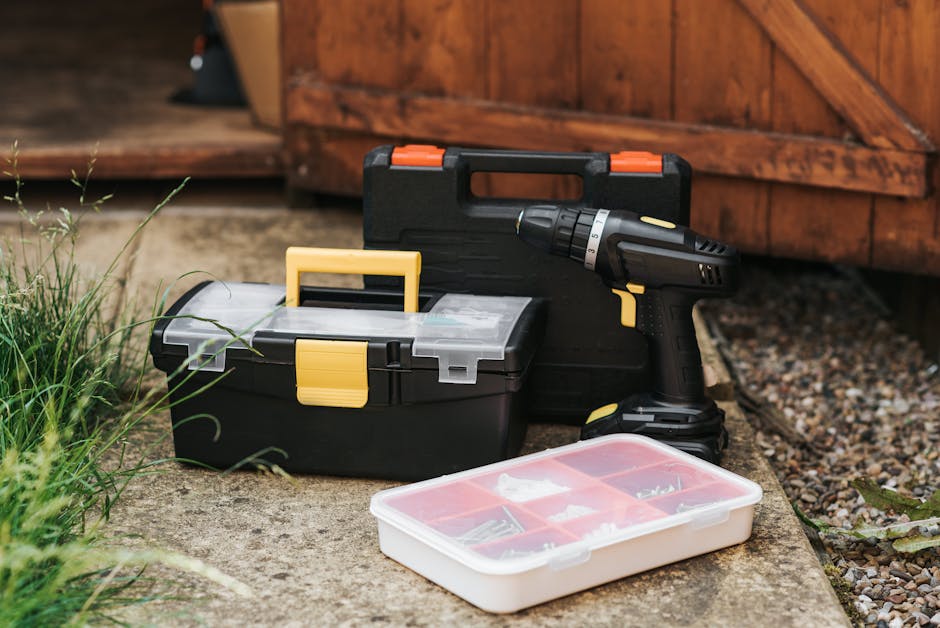
One of the most common mistakes is overlooking dust sealing. Saudi sandstorms carry fine dust that slips through small gaps and settles inside sheds or cabinets, damaging electronics, fabrics and power tools. Experts recommend using airtight plastic bins and double-layered seals to keep dust out, particularly during stormy months in Jeddah and Dammam (fourwinds-ksa.com).
2. Ignoring Climate Control for Electronics
Storing electronics outdoors without climate control is risky. Heat and humidity—especially near coastal cities—can cause circuit board corrosion and condensation. Air-conditioned storage or climate-controlled units are best, keeping temperatures between 18–24°C and humidity at 35–55% (fourwinds-ksa.com).

3. Leaving Power Tools Exposed to Heat and Dust
Power tools suffer in KSA’s heat and dust. Riyadh’s 50°C summers and fine silica dust clog vents and degrade batteries. A proper maintenance routine—including blowing out dust, wiping with light oil, and removing batteries before storage—is essential to extend tool life (ronixksa.com).
4. Using Cardboard or Weak Containers
Cardboard boxes are a poor choice for Saudi conditions. They weaken in dry heat, allow dust in, and offer little protection. Airtight plastic bins or weatherproof cabinets are far better, especially when raised on pallets to avoid ground moisture and sand (fourwinds-ksa.com).
5. Skipping Cleaning and Lubrication
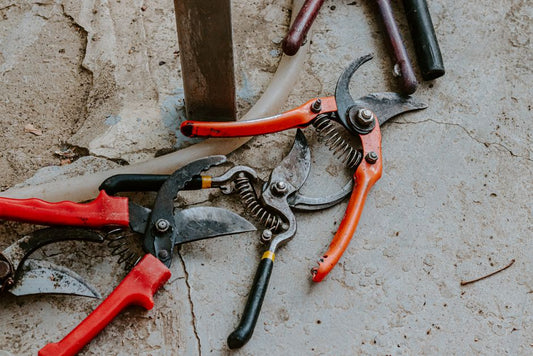
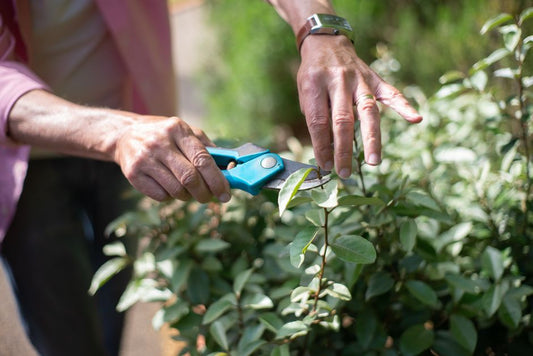
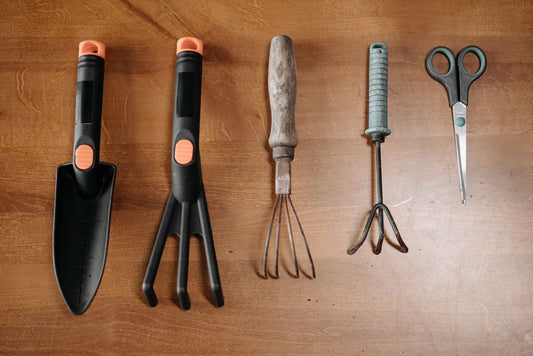
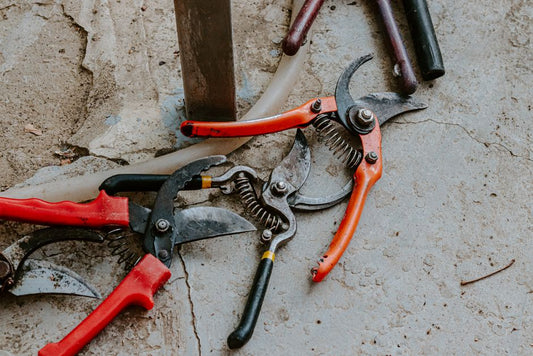
Failing to clean and lubricate tools before storage accelerates rust and wear. After use, tools should be cleaned, dried, and lightly oiled. For garden tools, a thin coat of oil or linseed oil on metal parts and conditioning wooden handles helps prevent cracking in dry heat (leborgne.com).
6. Storing Batteries in Vehicles or Hot Spots
Never store batteries—or tools with batteries—in vehicles. Inside temperatures can reach 65–75°C, which damages lithium-ion cells. Instead, store batteries separately in shaded, air-conditioned areas at around 40–60% charge (ronixksa.com).
7. Poor Organization and Accessibility
Disorganized storage makes finding tools harder and increases damage risk. Use wall-mounted racks, labeled bins, and clear containers. Group tools by type—hand tools, power tools, fasteners—for quick access and better protection (br-mannesmann.com).
8. Forgetting Regular Inspections
Even well-stored items need checks. Inspect storage every few weeks during sandstorm season to ensure seals, desiccants, and packaging remain effective. Replace silica packs and fix weak seals promptly (fourwinds-ksa.com).
FAQ
What’s the best container for outdoor storage in Saudi Arabia?
Airtight plastic bins or weatherproof cabinets with strong seals work best. Avoid cardboard and always elevate containers on pallets or racks.
How do I protect power tools from dust and heat?
Clean tools after use, blow out vents, apply light oil, remove batteries, and store in shaded, ventilated areas or air-conditioned workshops.
Can I store electronics in a regular shed?
Only if the shed is climate-controlled. Otherwise, electronics risk moisture damage. Use air-conditioned units or sealed cabinets with desiccants.
How often should I check my stored items?
Inspect every few weeks during sandstorm season, and monthly otherwise. Replace silica gel and repair seals as needed.
For weather-resistant storage solutions built for KSA’s climate, explore Lawazim’s range of cabinets and bins at Lawazim Outdoor & Garden or visit our home page.
Tags: